

 By
By What Makes EV Insurance Different and How to Pay Less
Electric cars are no longer a future idea. They are already in driveways, offices, and charging in apartment parking lots across the world. People love them for fuel savings, smooth driving, and low maintenance. But one thing surprises many new owners the moment they try to insure one. The insurance quote.
Many drivers assume insurance will be cheaper because electric vehicles have fewer moving parts and require less servicing. Sometimes that is true, but often the opposite happens. The reason comes down to technology, repair costs, and how insurers calculate risk.
This guide explains electric vehicle insurance in simple language so you understand what you are paying for and how to reduce it.
What Is Electric Vehicle Insurance
Electric vehicle insurance is simply a standard auto insurance policy designed to cover EV specific risks. Companies like Tesla, Nissan, and Hyundai Motor Company produce vehicles with expensive batteries, sensors, and software systems. Insurers adjust pricing because repairs and replacement parts cost more than traditional cars.
The policy still includes the familiar protections
liability coverage
collision coverage
comprehensive coverage
uninsured motorist protection
But it also considers battery damage, charging equipment, and advanced driver assistance technology.
Why EV Insurance Can Be Expensive
The biggest factor is the battery. In many electric cars the battery alone can represent a large percentage of the vehicle’s value. Even a minor accident can lead to a very costly repair if the battery pack is affected.
Modern EVs also contain cameras, radar, and sensors placed around the body panels. A small fender scratch may require recalibration of safety systems. That process increases labor cost.
Repair shops certified to handle EVs are fewer than normal garages. Specialized technicians and equipment increase insurance payouts, which raises premiums.
However there is a positive side. EV drivers tend to drive smoother and safer, which insurers like. Over time this can reduce premiums through safe driving discounts.
What Electric Vehicle Insurance Covers
Most EV policies include extra protection beyond regular auto coverage.
Battery coverage
Protects against damage caused by accident, fire, or sometimes power surge during charging.
Charging cable and wall charger protection
Covers theft or damage of home charging equipment.
Software and electronics
Advanced systems like driver assistance cameras or onboard computers are expensive. Insurance accounts for their replacement.
Towing to charging station
Some policies provide towing if your battery runs empty, similar to running out of fuel but handled differently.
Ways to Lower Your EV Insurance Cost
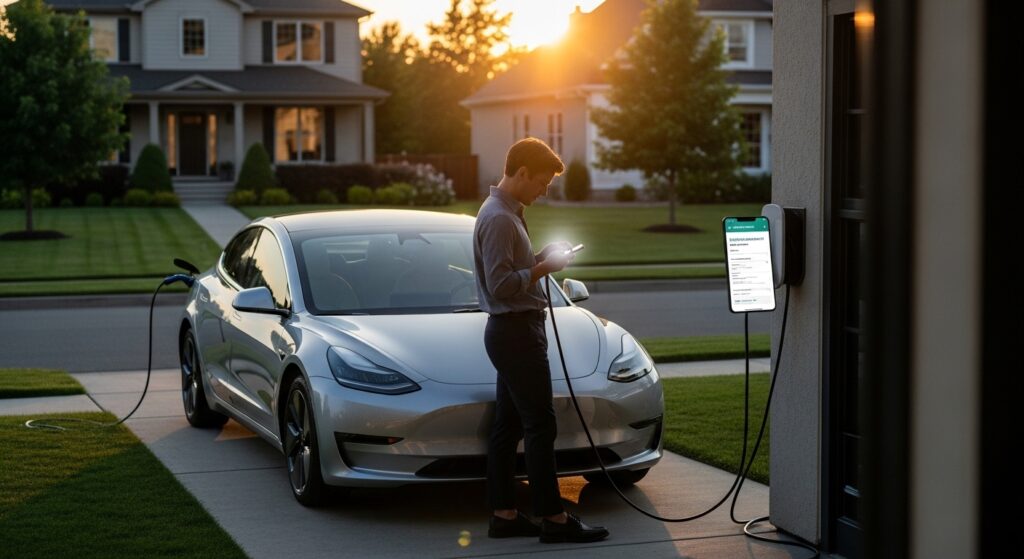
Many new owners accept the first quote and overpay. A few simple steps can significantly reduce the premium.
Choose a higher deductible
If you can afford a slightly larger out of pocket cost during accidents, the monthly premium drops noticeably.
Bundle policies
Combining home and auto insurance usually brings discounts between 10 and 25 percent.
Install home charging safely
Certified installation reduces risk and insurers may reward it.
Drive fewer miles
Electric car drivers often commute locally. Reporting accurate annual mileage helps pricing.
Ask about EV specific discounts
Some companies encourage environmentally friendly driving and offer green vehicle discounts.
Are Electric Cars Cheaper to Insure Long Term
In the beginning EV insurance is often higher than gasoline cars. But over time it balances out.
You save on fuel, oil changes, and engine maintenance. Many insurers also update pricing as repair networks improve and parts become more common. The industry is still adjusting to electric vehicles, which means premiums gradually become more reasonable.
For many owners the total cost of ownership still ends up lower despite insurance being slightly higher.
Final Thoughts
Electric vehicle insurance feels confusing mainly because the technology is new. Insurers are not charging extra randomly. They are pricing the cost of advanced components and specialized repairs.
The good news is premiums are becoming more competitive every year. As more EVs enter the market and repair infrastructure grows, pricing continues to stabilize.
If you compare quotes, choose smart coverage, and use discounts, insuring an electric vehicle can be affordable. The key is understanding what you are paying for rather than assuming it should work like a traditional car policy.
Owning an electric vehicle is not just about saving fuel. It is about adapting to a different cost structure. Once you understand that structure, insurance stops feeling expensive and starts feeling predictable.